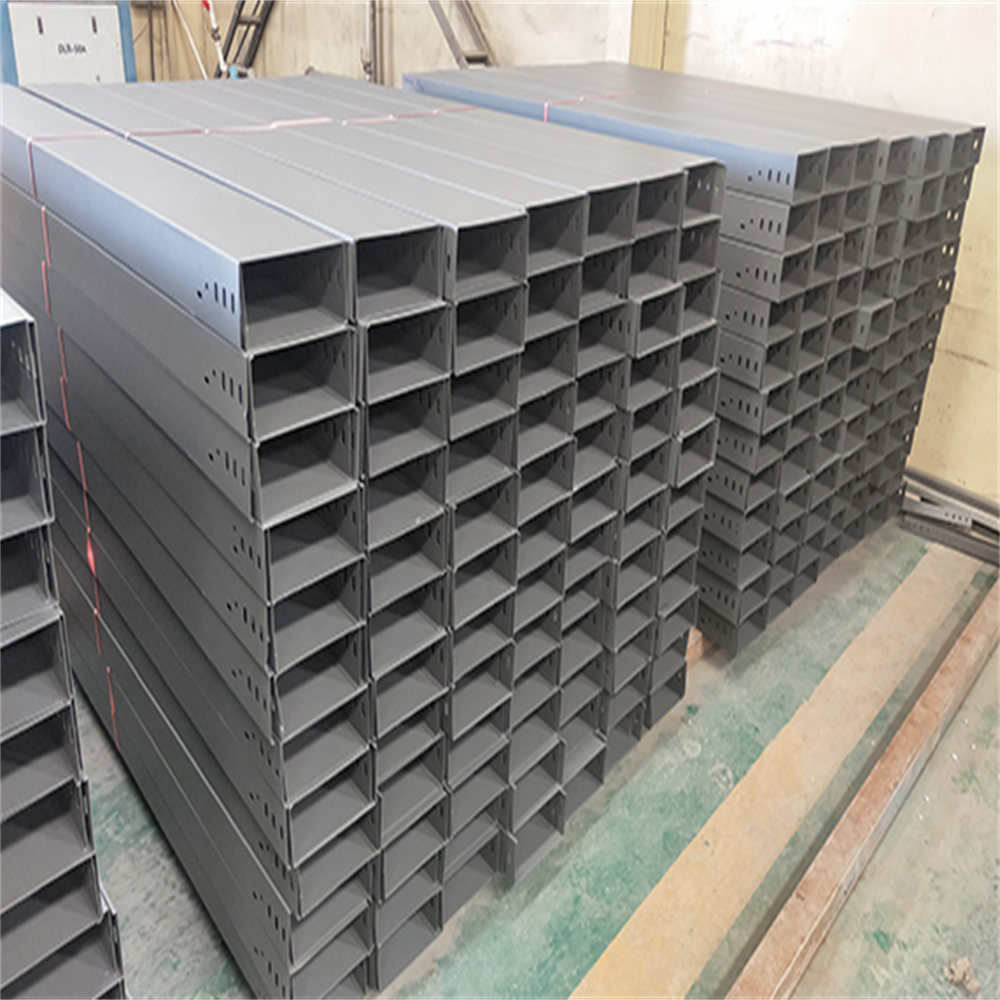
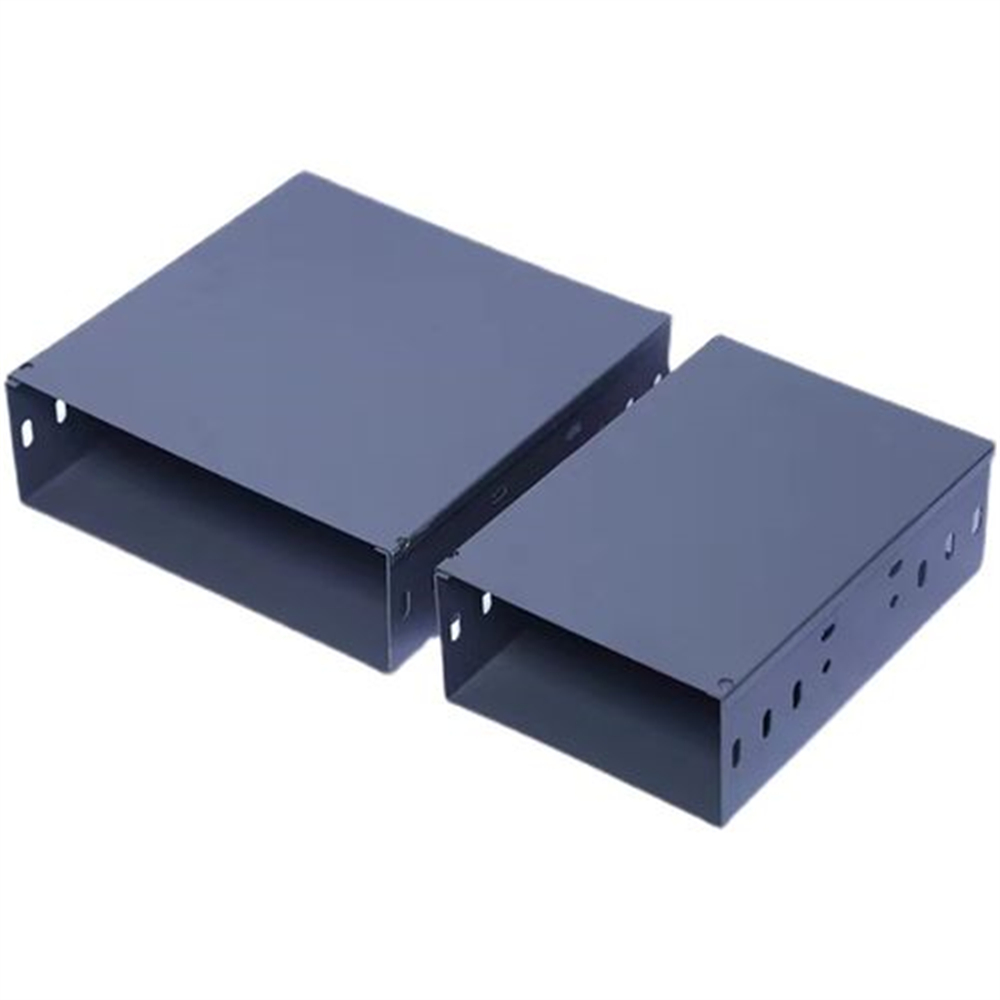
The primary purpose of a chemical resistant aluminum cable bridge is to provide a safe and secure pathway for cables, preventing them from coming into direct contact with chemicals that could potentially damage or degrade them. These bridges are typically used in industrial settings such as chemical plants, refineries, laboratories, and other environments where hazardous chemicals are present.
Chemical resistant aluminum cable bridges are designed to withstand harsh conditions, including extreme temperatures, moisture, and UV exposure. They are also equipped with features like non-slip surfaces, cable management systems, and locking mechanisms to ensure the safety and organization of cables.
In addition to their chemical resistance, aluminum cable bridges offer several other advantages. They are lightweight, making them easy to install and transport. They are also highly durable and require minimal maintenance, reducing the overall cost of ownership. Furthermore, aluminum is a recyclable material, making these bridges an environmentally friendly choice.
Overall, chemical resistant aluminum cable bridges are essential components in ensuring the safe and reliable transmission of cables in corrosive environments. Their chemical resistance, durability, and ease of installation make them a preferred choice for industries where cable protection is paramount.