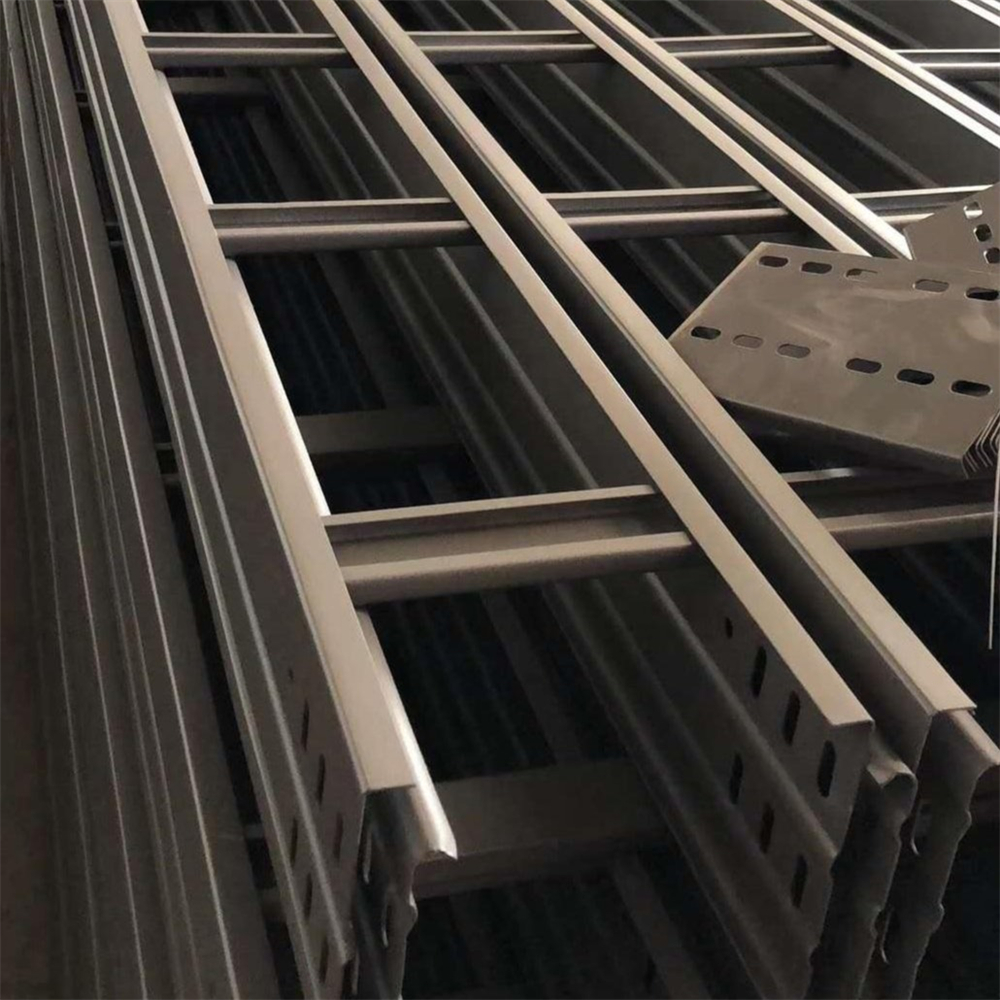
1. Cable management: Cable trays provide a structured pathway for electrical cables, allowing them to be organized and easily accessible for maintenance and troubleshooting purposes. They help prevent cables from becoming tangled, damaged, or obstructing other equipment.
2. Support heavy cables: Aluminum-alloy cable trays are designed to support heavy electrical cables, such as power cables, data cables, and communication cables. They have high load-bearing capacities and can withstand the weight of multiple cables.
3. Durability: Aluminum-alloy cable trays are corrosion-resistant and have a long lifespan, making them suitable for both indoor and outdoor installations. They can withstand harsh environmental conditions, such as extreme temperatures, moisture, and chemicals.
4. Versatility: Aluminum-alloy cable trays come in various sizes, shapes, and configurations, allowing for flexibility in cable routing. They can be easily customized and adjusted to fit specific installation requirements.
5. Cost-effective: Aluminum-alloy cable trays are relatively lightweight compared to other materials like steel. This makes them easier to handle and install, resulting in lower labor costs. Additionally, their durability and low maintenance requirements contribute to long-term cost savings.
6. Safety: Cable trays provide a safe and organized solution for cable management, reducing the risk of electrical hazards. They help prevent cable overheating, short circuits, and fire incidents by allowing proper airflow and heat dissipation.
7. Compliance with regulations: Aluminum-alloy cable trays comply with industry standards and regulations, ensuring the safety and reliability of electrical installations. They are commonly used in commercial buildings, industrial facilities, data centers, and other applications where cable management is crucial.
Stainless steel Cable Tray, Stainless Steel Cable Tray, Steel Cable Tray, Cable Tray
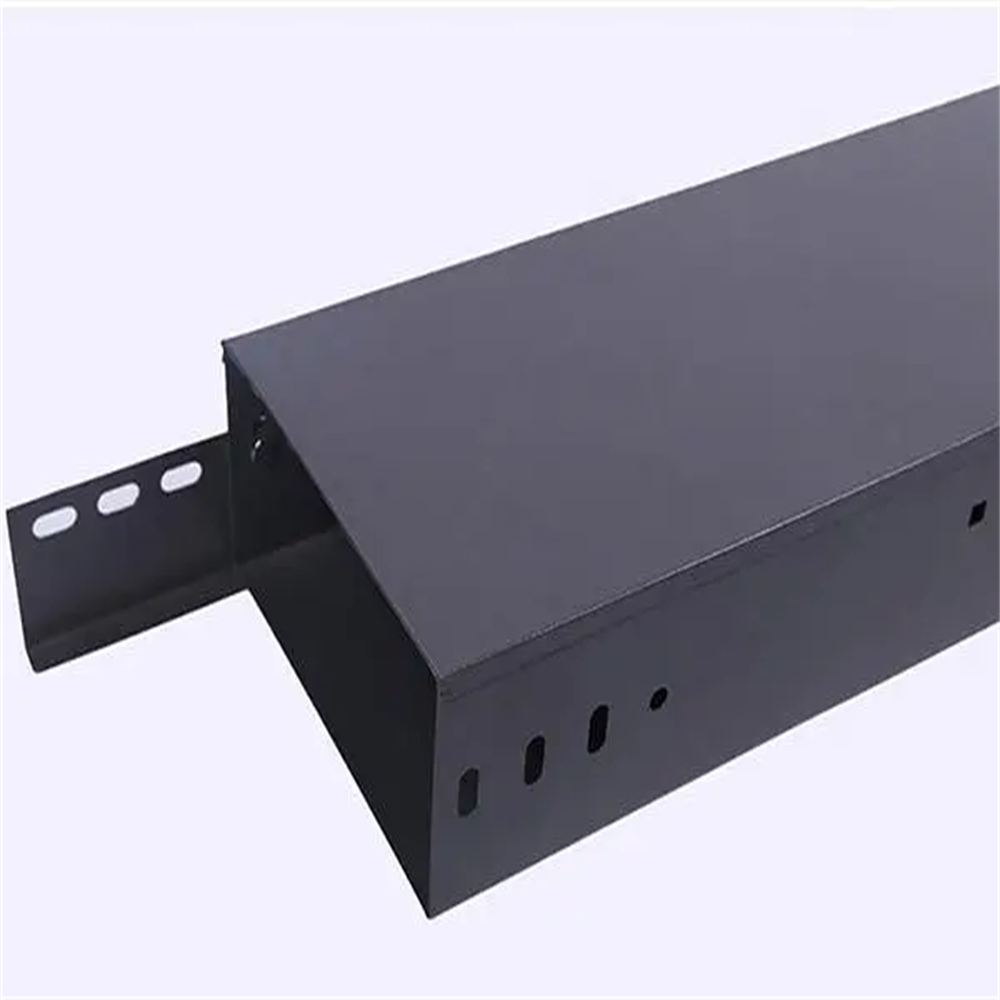
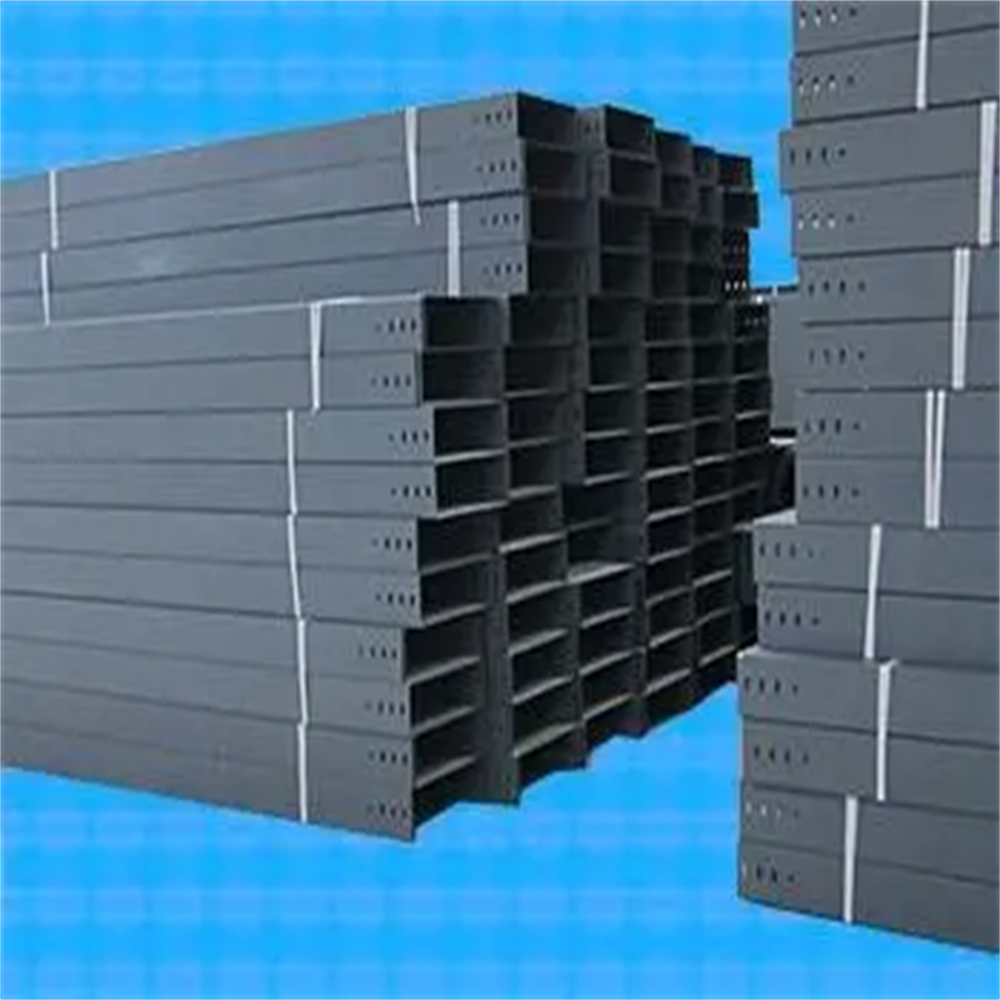
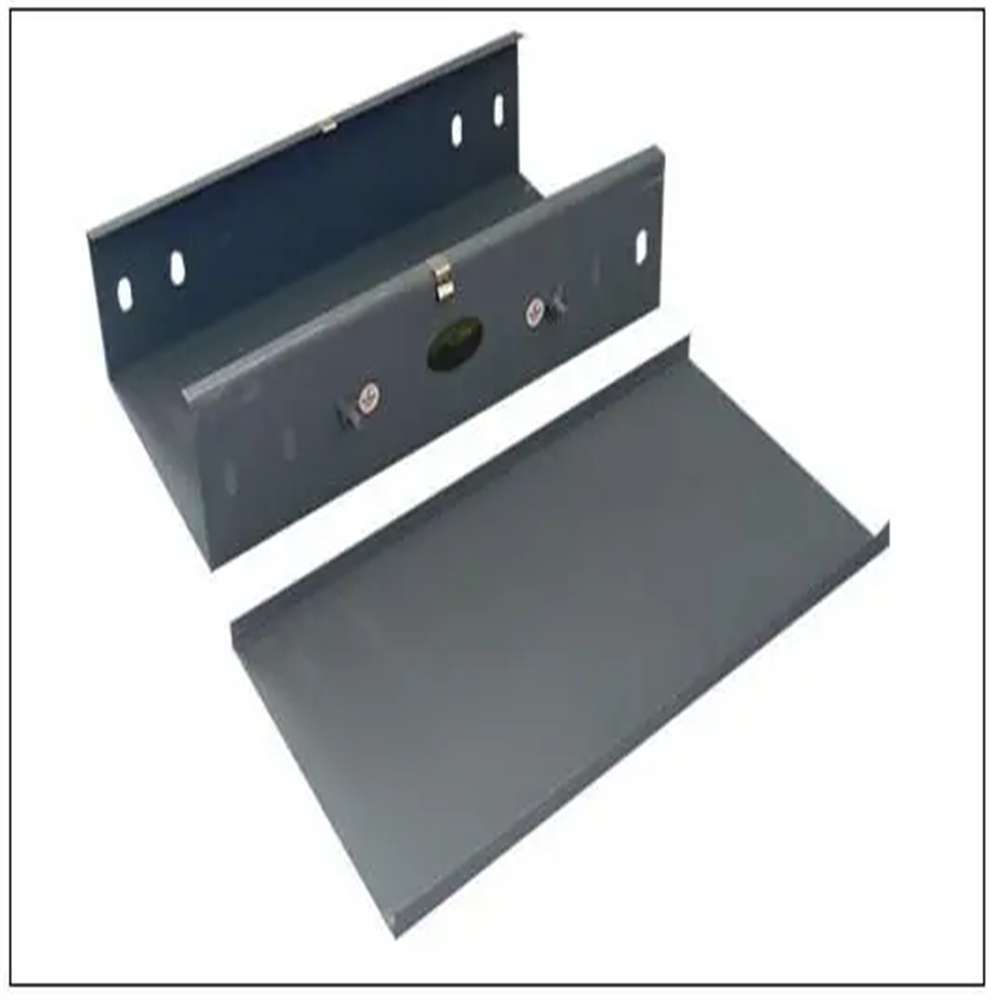
Overall, aluminum-alloy cable trays offer a reliable and efficient solution for cable management in various electrical installations. Their versatility, durability, and cost-effectiveness make them a popular choice among electrical contractors and engineers.